
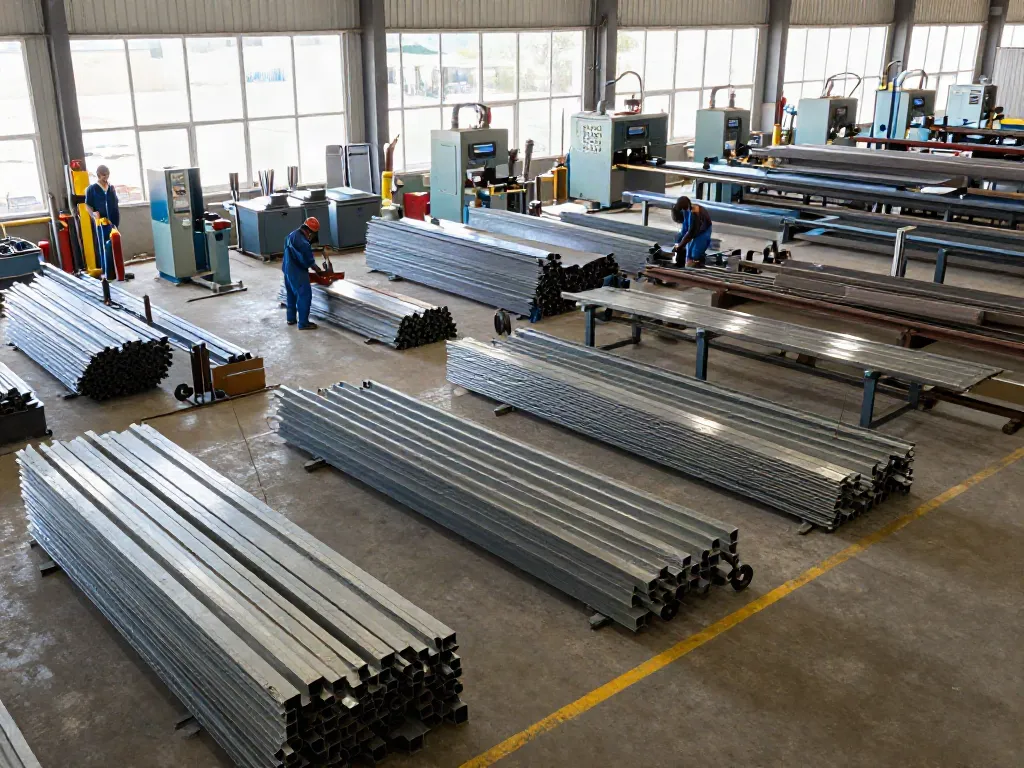
The Importance of In-House Steel Fabrication
In the evolving landscape of construction, steel fabrication stands out as a critical element, impacting the overall efficiency, quality, and aesthetics of any project. At Al Taher Group, our commitment to in-house steel fabrication enables us to deliver superior results that align with client expectations. By managing every stage of production within our Fujairah workshop, we maintain stringent quality controls, ensuring that our clients receive only the best. When exploring options, Steel fabrication is not just about metal; it's about crafting solutions tailored to unique design needs.
Why Choose In-House Fabrication?
Choosing in-house steel fabrication over outsourcing offers numerous advantages that can enhance the quality and reliability of construction projects. When all processes—from design to cutting and welding—are performed under one roof, there is a significant increase in coordination and communication. This diminishes the risks associated with errors that commonly arise when multiple subcontractors are involved.
- Streamlined Processes: With every stage of fabrication occurring in-house, we can ensure that projects flow seamlessly from one phase to the next.
- Timely Modifications: Should design changes arise, they can be managed quickly and efficiently, avoiding many delays commonly seen in outsourced models.
- Consistent Quality: By employing our team throughout the fabrication process, we uphold a high standard of craftsmanship that reflects our company's legacy.
Quality Control in Steel Fabrication
Quality control begins at the very first step of the fabrication process. By using the best materials and advanced technologies, our team ensures that every piece we create meets stringent industry standards. Regular inspections and testing throughout the fabrication process minimize defects and inconsistencies.
- Material Selection: We source high-quality steel that is specifically suited to the unique demands of the Gulf coastal climate to prevent corrosion.
- Inspection Protocols: Our rigorous inspection protocols include checks at various stages of production to ensure that all elements meet defined specifications.
- Final Testing: Every finished product is tested for durability and functionality before it leaves our workshop, ensuring it is ready for installation.
Cost-Effective Solutions for Homeowners and Contractors
In-house steel fabrication not only guarantees quality but also translates to cost savings for both homeowners and contractors. By eliminating third-party negotiations and management, we can offer competitive pricing without compromising on quality.
- Transparent Pricing: Clients receive itemized quotes that make it easy to understand each component of their project.
- Reduced Labor Costs: Coordinated in-house labor minimizes unnecessary costs associated with delays and miscommunication.
- Time Efficiency: Predictable fabrication times mean that projects can be completed more expeditiously, helping clients meet their deadlines.
The Role of Steel Fabrication in Modern Construction
The versatility of steel fabrication makes it a pivotal aspect of both residential and commercial construction. Steel provides structural integrity and aesthetic flexibility, making it an ideal choice for various applications.
Steel Fabrication for Residential Projects
Residential projects increasingly utilize steel fabrication for elements such as stair railings, gates, and support structures. This trend can be attributed to steel's durability and design versatility. Homeowners benefit from customized solutions, which enhance the overall design of their property while ensuring safety and longevity.
Commercial Applications of Steel Fabrication
In commercial settings, steel fabrication is used for more than just structural purposes. It plays a significant role in creating attractive facades, outdoor structures, and custom fixtures. The ability to tailor designs to specific branding requirements or architectural styles sets steel apart from other materials.
Design Flexibility with Steel Fabrication
One of the most appealing aspects of steel fabrication is its inherent flexibility in design. Fabricators can easily produce intricate designs that would be challenging with other materials. Advanced machinery and CAD software allow for precise modeling and alterations, enabling architects and designers to explore innovative ideas that stand out.
Challenges Faced in Steel Fabrication
Despite its many advantages, steel fabrication does come with its set of challenges. Being aware of these challenges can help clients choose the right fabrication partner and implement effective solutions.
Common Issues in the Steel Fabrication Process
Some of the common issues faced in the steel fabrication process include material wastage, production delays, and ensuring precision during construction.
- Material Wastage: Inefficient processes can lead to significant wastage of materials. It is essential to optimize cutting patterns and manage inventory judiciously.
- Production Delays: Delays can occur from miscommunication or scheduling conflicts, underscoring the importance of having a cohesive team that operates in a shared workspace.
- Precision: Ensuring precise measurements is vital. Fabricators should utilize advanced technology to minimize errors that can affect the final installation.
Weather and Environmental Impact on Steel
Fujairah's coastal environment poses unique challenges for steel fabrication. The salty air can lead to corrosion if steel is not adequately protected. Therefore, our facility employs specific techniques, such as powder coating and galvanization, to safeguard steel products from environmental effects.
Managing Project Timelines in Steel Fabrication
Timely project completion can be a significant challenge in steel fabrication. Effective scheduling, resource management, and constant communication are critical to adhering to timelines. Our in-house capabilities allow us to maintain a tight grip on project schedules and make adjustments as necessary.
Innovations in Steel Fabrication Techniques
The future of steel fabrication is bright, driven by continuous technological advancements that enhance efficiency and sustainability.
Advanced Technologies in Steel Fabrication
Innovations such as CNC machining and automated welding systems are transforming traditional fabrication processes. These technologies not only increase speed and accuracy but also reduce labor costs and improve worker safety.
Sustainable Practices in Steel Production
As the construction industry moves towards sustainability, more steel fabricators are adopting eco-friendly practices. This includes optimizing energy use during production, recycling scrap metal, and selecting environmentally friendly coatings.
The Future of Steel Fabrication in 2026
Looking ahead to 2026, we can expect an even greater integration of innovative technologies in steel fabrication. With advancements in AI and machine learning, fabrication processes will become smarter, leading to enhanced customization options and improved efficiency. Additionally, the focus on sustainability will continue to shape practices within the industry, promoting a greener future.
Real-World Applications of Steel Fabrication
To better understand the impact of steel fabrication in the construction industry, let’s explore some real-world applications.
Case Studies of Successful Steel Fabrication Projects
Our portfolio features a variety of successful steel fabrication projects ranging from residential gates to commercial structures. Each project exemplifies our capability to combine functionality with aesthetics. For example, a recent villa project in Fujairah involved custom-designed railings and a bespoke gate, each crafted to enhance the property's overall appeal.
Feedback from Clients on Steel Fabrication Services
Client feedback plays an essential role in refining our services. Our commitment to quality and customer satisfaction has resulted in many positive testimonials, showcasing our dedication to delivering excellence. Clients appreciate our transparent communication and the collaborative process we engage in to bring their visions to life.
The Process: From Design to Installation
The steel fabrication process at Al Taher Group is meticulously structured. It begins with initial consultations to discuss design preferences, followed by precise measurements and drafting. Upon finalizing designs, our skilled craftsmen commence production, ensuring each component is tailored to fit seamlessly during installation.
What Should You Know About Steel Fabrication?
Understanding the basics of steel fabrication can help clients make informed decisions. Key considerations include material selection, design requirements, and environmental factors that may influence durability. Consulting with experienced fabricators can provide valuable insights into what is possible within your budget and timeline.
How to Select the Right Steel Fabrication Partner?
Choosing a steel fabrication partner involves evaluating their experience, quality of work, and capacity to meet your specific needs. Look for a company that offers comprehensive in-house services, maintains high standards of quality control, and has a proven track record in the industry.
What Innovations Are Shaping Steel Fabrication Today?
Emerging trends and technologies are continuously shaping the field of steel fabrication. From advanced software for virtual modeling to sustainable practices aimed at reducing waste, staying informed about these developments can significantly enhance your project outcomes.